
Teddy Roosevelt was wrong
Cheers to the "cold and timid souls"

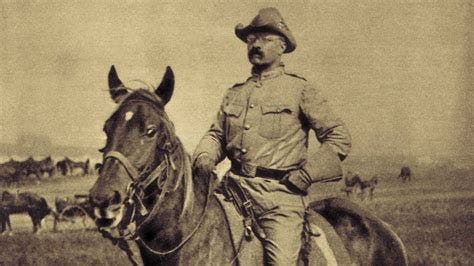
There’s a famous Teddy Roosevelt quote:
“It is not the critic who counts: not the man who points out how the strong man stumbles or where the doer of deeds could have done better. The credit belongs to the man who is actually in the arena, whose face is marred by dust and sweat and blood, who strives valiantly, who errs and comes up short again and again, because there is no effort without error or shortcoming, but who knows the great enthusiasms, the great devotions, who spends himself in a worthy cause; who, at the best, knows, in the end, the triumph of high achievement, and who, at the worst, if he fails, at least he fails while daring greatly, so that his place shall never be with those cold and timid souls who knew neither victory nor defeat.”
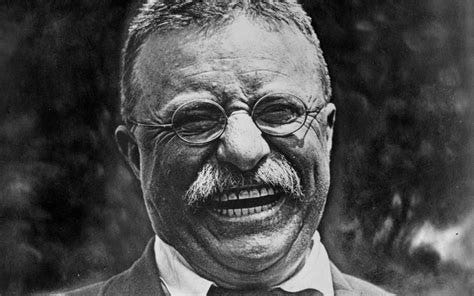
In clearing out some iPhone notes labeled “creative” recently, I realized I had saved that quote not once, not twice, but three separate times over the course of 10 years.
I have some retroactive embarrassment, because looking at that quote now, after immersing myself in thousands of obituaries and pondering the meaning of life over the last few years, it feels overly grandiose, too masculine, too dismissive of introverts who actually like being on the sidelines. I’ve been that introvert most of my adult life. I don’t actually believe in an “Achieve or Fail” culture. Like…at all. The matador mindset is woven into the scary side of startup culture, and we ignore the “cold and timid” critics at our own peril. Imagine a world consisting only of Musks and Holmeses and Zucks. Lordy.
So what switched in me? I had my brain right-sized by obituaries. I spent time reveling in the life stories of people whose achievements aren’t measured in the traditional sense. No KPIs, no YTDs, no OKRs, not even any bucket lists checked off. Just everyday people whose stories exuded enviable love and whimsy and humor. No country clubs, no awards, no cliches. Simple pleasures, simple success. It took me way too long to shed the idea of a metrics-driven road to meaning in life, but I finally did it. And now it’s clearer than ever to me: a job, a car, a number on a scale, a number on a bank account have almost zero impact on The Good Life. You can take my word for it, as an amateur obituary scientist, or you can watch any TED talk on the top regrets of the dying by people much smarter than I am, and you’ll get the same result. From Tolstoy to Tips from Dead People, you are so much more than a resumé.
I don’t think I’m the only one who needs this message repeated. If you’re 22 and just starting out, just try stuff and see what sticks. If you’re 42 and wondering if the chance to “make a mark” is eluding you, trust me and 10,000 dead people when I say making a mark was never the goal and doesn’t correlate with success anyway. If you’re 62, you’re starting to acknowledge that doors closing isn’t a bad thing and reveling in the tiniest things of life was and always is Winning. If you’re 82, well, have a G & T and some perfect grilled scallops, and shove that Teddy Roosevelt biography in a Little Free Library.
Love!!!!
I absolutely love obituaries. They are tiny biographies of people who indeed done magnificent things, even if it was teaching their kids how to fish. And whenever people interact with each other ... at the store or in a hobby club ... they are making impacts that change people's days or lives. Indeed, cheers ... big voluptuous cheers for the cold and timid souls. (And I wish people would include their cause of death in obituaries. I know ... people want to protect their privacy or the reputations of their loved ones, but that information might just save someone else's life.) Thank you for this article, Mary. I'm glad I found your Substack. Hope you'll take a peek at mine.